S-Corp Conversion Negative Retained Earnings Journal Entry
Some very public, large companies have negative retained earnings, such as, most recently, Starbucks. The problem with shareholder equity on the balance sheet is that there is no distinction between the capital the owners put into the business and the capital the business produced and retained. … Negative retained earnings often show that a company is experiencing long-ter losses and can be an indicator of bankruptcy. Most companies lose money can retained earnings be negative when they first start up, and so for a time, their retained earnings will be negative. … Once the company has made up for any earlier losses, a positive balance in its retained earnings will allow it to pay dividends if it chooses.

Why Companies May Have Negative Retained Earnings
Yes, it is possible for a company to have a negative retention ratio. However, this will mean that the company is lending money to distribute its dividends. Hence, it is reasonable to believe that the dividend might be canceled in the future. A company may use part of its retained earnings to distribute dividends to shareholders. The risk of investing in an unprofitable company should also be more than offset by the potential return, which means a chance to triple or quadruple your initial investment. If there is a risk of a 100% loss of your investment, a potential best-case return of 50% is hardly enough to justify the risk.

Impact on Market Value
- Prolonged periods of declining sales, increased expenses, or unsuccessful business ventures can lead to negative retained earnings.
- This could involve changing the business model, reorganizing the company, or streamlining processes to reduce costs.
- So if a company earned $10,000 last year and $10,000 this year (after accounting for costs), its retained earnings are $20,000.
- On the flip side, negative retained earnings, where your accumulated losses surpass your profits, paint a much gloomier picture.
- The retention ratio measures the percentage of a company’s profits that are reinvested into the company in some way, rather than being paid out to investors as dividends.
However, note that the above calculation is indicative of the value created with respect to the use of retained earnings only, and it does not indicate the overall value created by the company. It shows a business has consistently generated https://www.bookstime.com/ profits and retained a good portion of those earnings. It also indicates that a company has more funds to reinvest back into the future growth of the business. Yes, having high retained earnings is considered a positive sign for a company’s financial performance. Don’t forget to record the dividends you paid out during the accounting period. You can pull this info from your company’s records or bank statements.
- The potential implications of a negative retained earnings balance depend on the severity and duration of the losses.
- This was the case with Blackberry’s dramatic decline in 2013 due to the popularity of Apple and Samsung smartphones.
- New companies often have negative retained earnings as they invest heavily in growth.
- In the end, addressing these financial challenges effectively not only secures the company’s future but also strengthens its position in the competitive market landscape.
- Companies use these earnings to grow, pay debts, and fund other important activities.
- This situation, often called an “accumulated deficit,” indicates that the business has been spending more than it’s earning.
Positive retained earnings
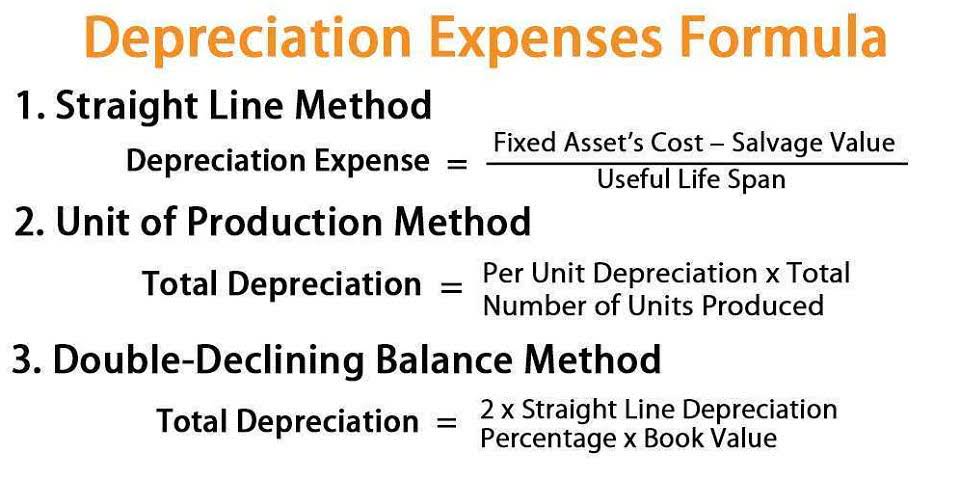
The resultant number may be either positive or double declining balance depreciation method negative, depending on the net income or loss generated by the company over time. Alternatively, the company paying large dividends that exceed the other figures can also lead to the retained earnings going negative. If a corporation has a retained loss, this does not mean that the shareholders must pay the amount of the loss to the company. If the company subsequently goes bankrupt, its creditors cannot pursue the shareholders for payment of their claims; instead, the creditors can only access the residual assets of the business.
When combined with a company’s debt and relevant market trends, earnings indicate how well a company is functioning and how it will progress in the future. Retained earnings are reserve funds available to firm management for reinvestment back into the business. Net income, on the other hand, is the difference between a company’s total revenue and expenses. Therefore, NI is an essential part of RE computations, and both are different.

This could involve changing the business model, reorganizing the company, or streamlining processes to reduce costs. Similarly, in Partnerships, negative retained earnings can limit the firm’s ability to attract new partners or investors. If LMN Partners seeks to expand or secure additional funding, potential partners may be wary of joining a firm with accumulated losses. This challenge can impede the firm’s growth and development opportunities.